
In today’s competitive digital world, businesses are constantly searching for ways to improve their online presence. Among the most effective strategies is search engine marketing (SEM), which helps companies increase visibility, drive traffic, and convert leads into loyal customers. Understanding the types of search engine marketing is crucial for any business aiming to dominate search results and grow online.
This guide explores the major categories of SEM, explains their importance, and shows how each can be used effectively. Whether you run a small local store or a global e-commerce platform, learning these strategies can transform your business.
Search Engine Marketing (SEM) has emerged as one of the most powerful digital strategies, revolutionizing how businesses connect with their target audience. Unlike traditional advertising, SEM leverages search engines like Google and Bing to deliver highly targeted visibility at the exact moment users are actively searching for products, services, or information. This futuristic approach integrates both paid advertising and organic search tactics, ensuring that brands not only appear in search results but also dominate them strategically.
The future of SEM lies in its adaptability and data-driven nature. With advancements in artificial intelligence, machine learning, and predictive analytics, SEM campaigns are becoming more precise, cost-effective, and personalized. Businesses can now target users based on behavior, intent, demographics, and even real-time context, making SEM a game-changer in the digital marketing landscape.
Different types of SEM—including Pay-Per-Click (PPC) advertising, Display Ads, Shopping Ads, Local Search Ads, Retargeting, and SEO integration—allow companies to design holistic campaigns that maximize ROI. As voice search, visual search, and AI-driven assistants reshape user behavior, SEM is evolving into a futuristic, intelligent, and indispensable tool for growth. In short, SEM is no longer just about visibility—it’s about relevance, authority, and future-proofing your brand online.
What is Search Engine Marketing?
Search engine marketing is a powerful digital approach focused on enhancing a website’s visibility and authority across search engine results pages (SERPs). It includes both paid and organic methods, making it a versatile approach for businesses of all sizes. The types of search engine marketing can be divided into two main categories: paid advertising and organic optimization.
While search engines like Google, Bing, and Yahoo provide the platforms, the real power lies in how businesses utilize these tools. With the right mix of SEM techniques, companies can attract their target audience, boost website traffic, and maximize return on investment.
Why Businesses Need Different Types of Search Engine Marketing
Every business has unique goals, budgets, and audiences. For some, paid search ads deliver quick results. For others, building organic search engine authority creates long-term growth. The types of search engine marketing cater to these needs by providing both short-term and sustainable strategies.
SEM goes beyond securing higher rankings; it’s about connecting with the right audience at the perfect moment. By exploring different SEM methods, businesses can balance visibility, cost, and conversions to achieve lasting success.
Paid Search Advertising
Among the various types of search engine marketing, paid search advertising—commonly known as pay-per-click (PPC)—stands out as one of the most widely used methods. This method allows businesses to bid on keywords related to their products or services. When users search using those keywords, the ads appear above or beside organic results.
Platforms like Google Ads and Bing Ads dominate this space, providing tools for targeting, budgeting, and performance tracking. The major benefits include instant visibility, measurable results, and the ability to target highly specific audiences.
Display Advertising
Another important branch of SEM is display advertising. Unlike text-based ads in search results, display ads use images, videos, and interactive content to attract attention. These ads often appear on websites that are part of a display network, such as Google Display Network.
This form of advertising complements other types of search engine marketing by increasing brand awareness. While users may not be actively searching for a product, display ads remind them of your brand and encourage future interactions.
Shopping Ads

For e-commerce businesses, shopping ads are a powerful tool. These ads display product images, pricing, and seller details directly within the search results, giving users instant shopping insights. Google Shopping Ads, for example, allow users to see multiple product options before clicking.
Among the types of search engine marketing, shopping ads are especially effective at driving high-intent traffic. Since users searching for specific products are closer to purchase, these ads often lead to higher conversion rates compared to general campaigns.
Remarketing Campaigns
Remarketing is an effective strategy to reconnect with visitors who left your website without making a purchase, encouraging them to return and convert. These ads remind potential customers of what they left behind, encouraging them to return and complete the transaction.
This technique stands out among other types of search engine marketing because it focuses on people who are already familiar with your brand. Remarketing increases conversions by gently nudging prospects back into the buying process.
Local Search Ads
Local businesses benefit greatly from local search ads. These ads appear when users search for services or products near their location. For example, a restaurant can appear in search results when someone searches for “best pizza near me.”
Among the types of search engine marketing, local ads ensure that small and medium-sized businesses remain visible in competitive markets.They drive more foot traffic, strengthen local brand awareness, and foster trust among nearby customers.
Organic Search Engine Optimization (SEO)
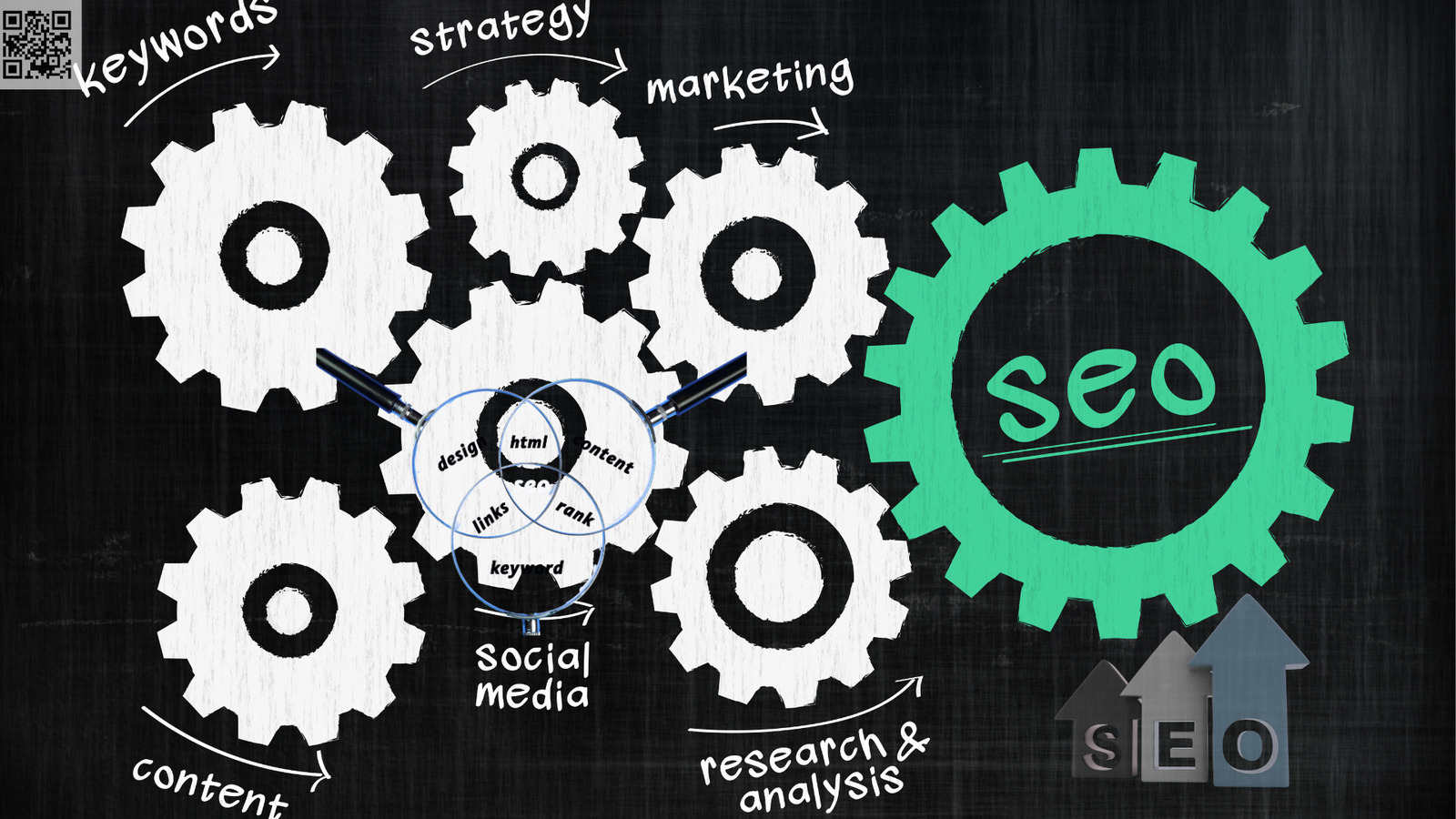
Paid ads deliver instant results, but organic SEO lays the groundwork for sustainable, long-term visibility. Search engine optimization involves optimizing website content, technical elements, and backlinks to improve rankings in unpaid search results.
SEO is considered one of the most sustainable types of search engine marketing because it builds authority and trust over time. By creating high-quality content, optimizing keywords, and enhancing site speed, businesses can consistently attract traffic without paying for each click.
On-Page SEO
On-page SEO focuses on optimizing individual web pages to improve their search engine rankings, emphasizing elements like keyword placement, title tags, meta descriptions, and internal linking. By carefully integrating keywords like types of search engine marketing, websites can improve both user experience and search visibility.
Off-Page SEO
Off-page SEO encompasses strategies carried out beyond your website to strengthen its authority and search engine rankings. This includes building backlinks, promoting content through social media, and engaging in influencer partnerships.Effective off-page SEO builds strong signals for search engines, showcasing your website’s credibility, trustworthiness, and authority.
As one of the most impactful types of search engine marketing, off-page SEO strengthens credibility and ensures better long-term ranking potential.
Technical SEO
Technical SEO is another vital aspect of organic optimization. It ensures that search engines can easily crawl and index your website. Technical improvements may include enhancing site speed, fixing broken links, improving mobile-friendliness, and securing websites with HTTPS.
By focusing on technical SEO, businesses reinforce other types of search engine marketing, ensuring that their content and ads perform better overall.
Content Marketing as a Search Engine Strategy
Content marketing is often considered part of SEO, but it deserves recognition as a standalone SEM technique. By creating valuable blog posts, videos, and guides, businesses attract organic traffic while showcasing authority.
When integrated with the types of search engine marketing, content marketing builds trust, generates leads, and positions businesses as industry leaders.
Voice Search Optimization

As smart speakers and virtual assistants become more common, voice search is emerging as a crucial factor in SEM. By optimizing for conversational queries and long-tail keywords, businesses can increase their chances of appearing in voice search results.
This is one of the newer types of search engine marketing, but its growth highlights the importance of adapting to changing consumer behavior.
Video Search Marketing
Video platforms like YouTube have their own search engines, making video marketing an essential SEM tactic. Optimizing video titles, descriptions, and tags helps businesses appear in video search results while engaging audiences visually.
As consumers increasingly prefer video content, this strategy complements other types of search engine marketing, driving both visibility and brand engagement.
The Future of Search Engine Marketing
The types of search engine marketing continue to evolve as technology advances. Artificial intelligence, automation, and data-driven strategies are shaping the way businesses reach customers. Personalized search results and smarter algorithms mean marketers must stay updated and flexible.
Businesses that embrace both paid and organic methods will enjoy the best results. By combining instant visibility with long-term sustainability, SEM creates a strong foundation for digital growth.
Conclusion
Search engine marketing is more than just ads and rankings—it’s a complete ecosystem of strategies that work together to help businesses succeed online. From paid search advertising and shopping ads to organic SEO and content marketing, each method has unique strengths.
By understanding the types of search engine marketing and applying them strategically, businesses can improve visibility, attract qualified traffic, and drive long-term growth. Whether you’re a startup or an established brand, SEM provides the tools to connect with your audience and thrive in the digital landscape.
Search Engine Marketing is no longer just a tool for visibility—it is the driving force behind future-ready digital growth. By combining strategies like PPC, Display Ads, Shopping Ads, Local Search, and retargeting with data-driven insights, SEM ensures businesses reach the right audience at the right time. With AI, automation, and voice search shaping the future, SEM is evolving into a smarter, more personalized, and results-oriented approach. Brands that embrace its full potential will not only stay ahead of competitors but also build long-term authority and trust. In conclusion, SEM is the gateway to sustainable online success.
Author : SAFWAN
Visit my website : www.safwansfive.com