
Marketing is about getting your message out, getting people’s attention, and making them want to buy or engage. For decades, traditional marketing vs digital marketing has been a central question for business owners.Traditional marketing refers to offline promotional methods such as newspaper advertisements, posters, radio jingles, and billboards—approaches that businesses relied on well before digital channels emerged. Digital marketing means using online tools: websites, social media, search engines, email, ads on Google or Facebook, etc.
In Kerala—Manjeri, Malappuram, Calicut—many small businesses still depend on traditional methods. A shop might put up posters, place ads in local Malayalam dailies, or distribute leaflets in neighborhoods. These methods are familiar, trusted, and visible. But with growing internet use—smartphones everywhere, people going online even in small towns—digital marketing is becoming more important.
Many of my clients in Manjeri use a mix of both traditional marketing and digital marketing to promote their businesses. Some combine a leaflet campaign with a Facebook post to reach both offline and online audiences. Others focus solely on digital ads because their target market is younger and more active online. Meanwhile, some prefer to stick with traditional marketing since they believe local customers respond better to physical advertisements they can see and hold. Ultimately, the key is understanding the strengths and weaknesses of traditional marketing vs digital marketing and choosing the right blend for your audience and goals.
In this blog, I will explain traditional marketing vs digital marketing in simple language, show which situations each method fits best, and share tips for combining them effectively in Kerala. By the end, you should feel confident making decisions for your own business or advising others.
Traditional marketing vs digital marketing
What is Traditional Marketing?
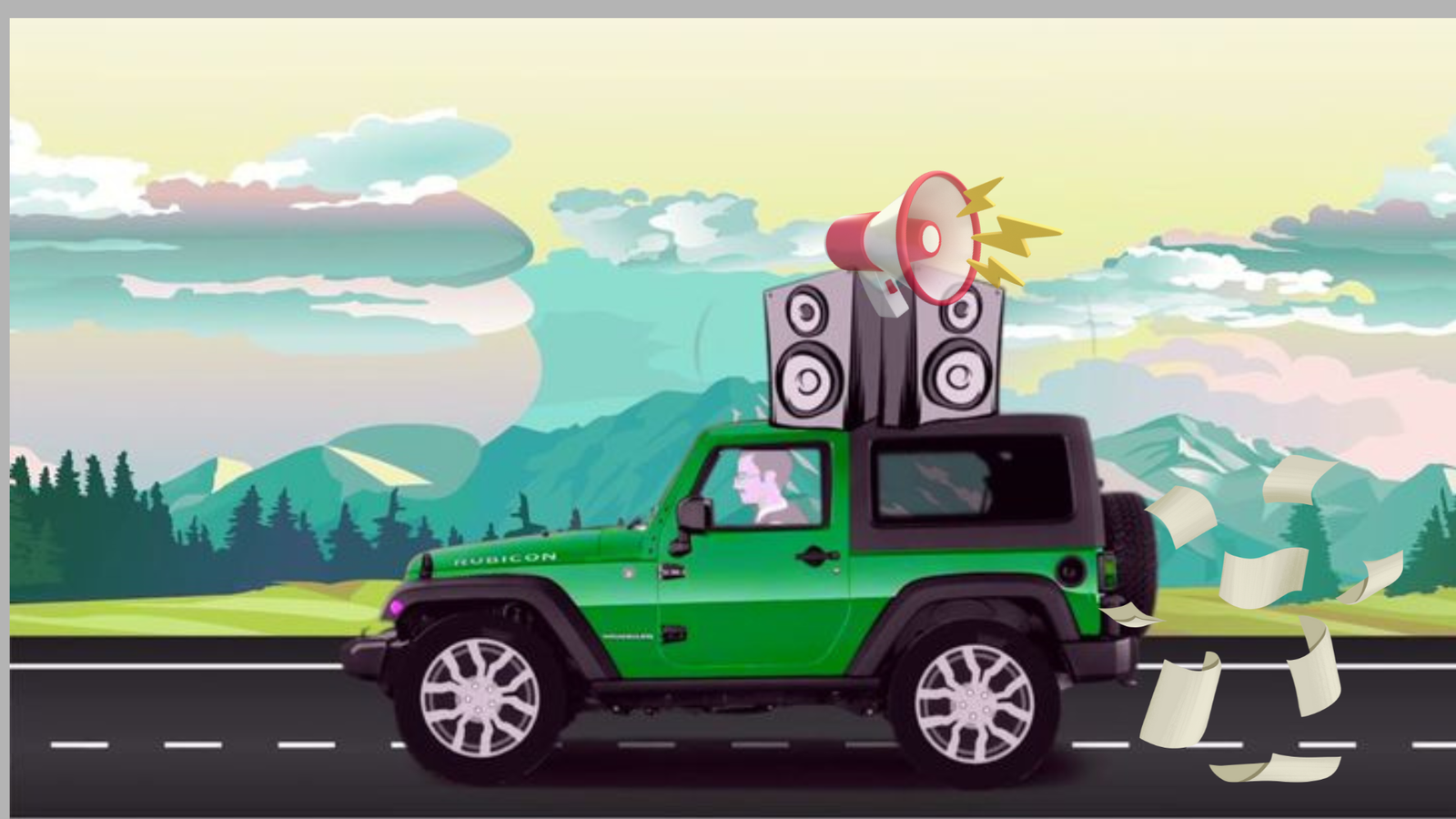
Traditional marketing means the offline ways of advertising and promotion. Some examples:
- Newspaper ads (Malayalam or English dailies)
- Magazines and brochures
- TV and radio ads
- Billboards, posters, hoardings, banners
- Flyers, pamphlets, handbills
- Direct mail (mailing letters, postcards)
- Local events, exhibitions, roadshows
These methods have been used for many years. People are used to seeing an ad in the newspaper, hearing a radio jingle, or seeing a billboard by the road.
Advantages of Traditional Marketing
- Well-known & trusted: Many people in Kerala, especially older folks or those in smaller towns, are comfortable with print media, posters, radio. They trust what they see on paper or hear on the radio.
- Local reach: You can target local neighborhoods, towns, or districts. If you have a shop in Manjeri, a flyer in nearby areas might work well.
- Broad exposure: Billboards, TV, radio can reach many people at once.
- Physical presence: Tangible materials like brochures, banners, posters can leave lasting impression.
Disadvantages of Traditional Marketing
- Costly: Printing, TV slots, radio spots, and hoardings cost a lot.
- Hard to measure: It’s difficult to track exactly how many people saw an ad, how many responded, or how many leads came from it.
- Less flexibility: Once printed or broadcast, you cannot easily change it.
- Time-consuming: Preparing and placing print ads, getting permits, printing, distribution—all take time.
- Limited targeting: You can’t easily pick only a narrow age group, interest, or online behaviour.
What is Digital Marketing?

Digital marketing means using internet and online tools to promote your business. Examples include:
- Website and blogs
- Search Engine Optimization (SEO)
- Social media marketing (Facebook, Instagram, YouTube, WhatsApp business)
- Paid online ads (Google Ads, Facebook Ads, Instagram Ads)
- Email marketing
- Content marketing (videos, articles, infographics)
- Influencer or affiliate marketing
Advantages of Digital Marketing
- Measurable & trackable: You can see how many people saw your ad, clicked, bought—right in reports.
- Precise targeting: You can choose audience by age, location (even by PIN code in Kerala), interests, behaviour.
- Cost-effective: You can start with a small budget and scale up.
- Flexibility: You can change ads, content, targeting anytime.
- Speed & reach: You can publish content in minutes and reach people near and far.
- Engagement & feedback: People can comment, share, message you directly—two-way communication.
Disadvantages of Digital Marketing
- Steep learning curve: You need to know tools, metrics, strategies.
- Competition: Many are online; getting noticed is harder.
- Ad fatigue: People may ignore online ads.
- Dependence on internet & devices: If audience doesn’t have smartphones or good internet, digital won’t reach them.
- Ad blockers & algorithm changes: Platform policies change; what worked today may not work tomorrow.
Traditional Marketing vs Digital Marketing: Situations & Use Cases

When you compare traditional marketing vs digital marketing, it’s not that one is always better. Your best choice depends on context.
When Traditional Marketing works best:
- Your target is older people who read newspapers daily.
- Your business is highly local (shops, clinics, showrooms) and people nearby need to know you exist.
- You want strong local presence and visibility.
- You have a budget for banners, posters, print, radio.
- You want to reach people who might not use smartphones or the internet a lot.
When Digital Marketing works best:
- Your audience is younger, online, using smartphones.
- Your business can sell or promote things online (e.g. services, products, courses).
- You have limited budget and want to optimize spending.
- You want to see where your marketing money is going and adjust.
- You want engagement, sharing, viral potential.
Combining Both – The Hybrid Approach
Combining the two is frequently the best course of action. In Kerala, you might use:
- A local newspaper ad announcing your shop opening + a Facebook/Instagram post promoting the same event.
- Posters in Manjeri + WhatsApp business messages to local groups.
- A banner on a busy road + a digital ad campaign targeting people in Malappuram district.
This way, you get visibility offline and engagement online.
Tips for Kerala / Manjeri Businesses
- Use ** Malayalam + English** in your ads and posts so people from all age groups can understand.
- Focus on local targeting: use district, town, PIN codes when doing digital ads.
- Track everything: use simple UTM links, Google Analytics, or counting codes (e.g. “Show this ad and get 10% off”) to see which method works.
- Start small: if you’re new, try small digital ad campaigns with small budget to test which methods give returns.
- Use events: host a small local event or stall and promote it online and offline.
- Keep consistency: same message, same brand name, same visuals across both offline and online so people recognize you.
Real-Life Examples and Future Trends in Kerala
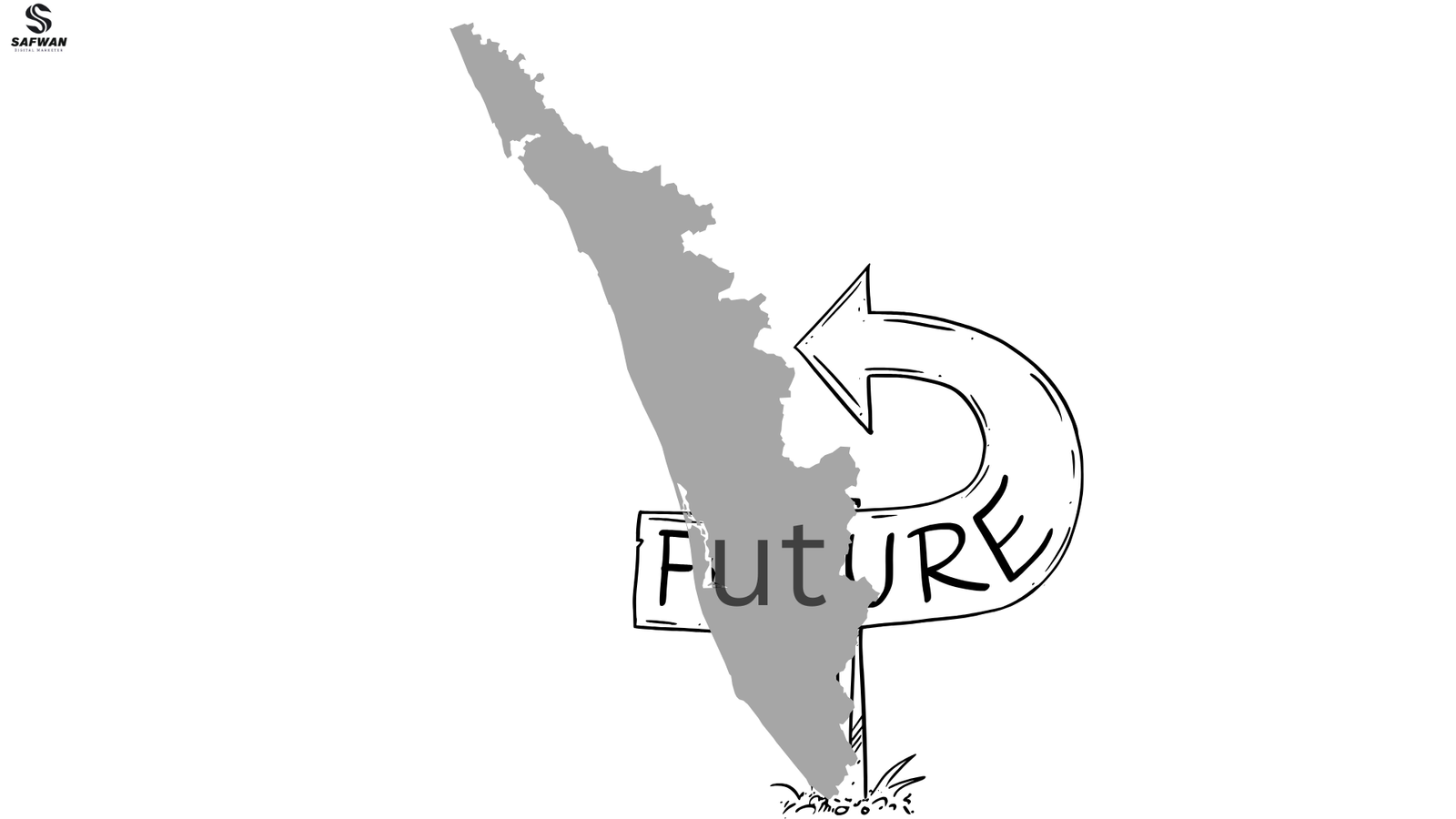
Let’s take a few local examples to understand how traditional marketing vs digital marketing actually works for businesses in Kerala.
In Kerala, businesses are blending traditional marketing and digital marketing to achieve remarkable results. For example, local textile shops in Manjeri and Kozhikode still rely on newspaper ads and banners to attract walk-in customers, while simultaneously running social media campaigns to reach younger audiences. This hybrid approach has proven especially effective during festivals and local events. Looking ahead, the future of traditional marketing and digital marketing in Kerala lies in integration — where data-driven online strategies complement the authenticity and local trust built through offline promotions.
Why Digital Marketing is Dominating
With over 5 billion internet users globally, digital marketing provides unparalleled reach. Businesses can run cost-effective campaigns that reach precise demographics, track user behavior, and refine strategies instantly.
For example, SEO-focused content (like this blog about traditional marketing vs digital marketing) helps brands appear in search results, driving organic traffic and credibility.
Additionally, social media allows small businesses to build communities, increase engagement, and create brand loyalty — something traditional marketing struggles to replicate at the same cost.
Conclusion
In Kerala, especially in towns like Manjeri, the question traditional marketing vs digital marketing is practical—not theoretical. The older generation still trusts newspapers, posters, banners, and handouts. But younger people are always online, scrolling, searching, clicking. So the real winners are those who know how to blend both intelligently.
As a freelance digital marketer in Manjeri, I always remind small businesses and local shops that they shouldn’t abandon traditional marketing too quickly. A thoughtfully placed banner, local poster, or pamphlet can still draw attention from customers who might never see your online campaigns. However, digital marketing brings unmatched advantages — it offers better control, instant feedback, and the flexibility to scale your campaigns efficiently without heavy spending.
Combining traditional marketing and digital marketing helps businesses reach both offline and online audiences for maximum impact. You can easily test and adjust your strategy, such as running a small Facebook ad for a week, tracking inquiries, and refining your approach based on results. In contrast, traditional marketing vs digital marketing differs in flexibility — while traditional methods are reliable for local visibility, they can’t pivot or adapt as quickly as digital strategies.
The ideal path is the hybrid approach—using traditional marketing to establish awareness and trust locally, and digital marketing to engage, convert, and scale. In the “traditional marketing vs digital marketing” debate, neither side wins alone; the integration wins.
So for your business in Kerala: examine your audience, your budget, and your objectives. If you target older folks or local neighborhoods, don’t ignore traditional. If more of your customers are on phones and online, invest in digital. And most importantly, track results. Use simple methods (coupons, codes, landing pages) so you know which ads, whether offline or online, are bringing customers.
Over time, as your digital channels grow, you may lean more on them. But even then, keep some offline presence because not everyone is online all the time. Traditional marketing vs digital marketing should become a combined strategy, not a battle.
If you like, I can help you build a customized marketing plan for Manjeri combining both methods, or run sample campaigns and show predicted budgets. Do you want me to help with that next?
author : Safwan
website : www.safwafwansfive3.com